
When I Visited Hell
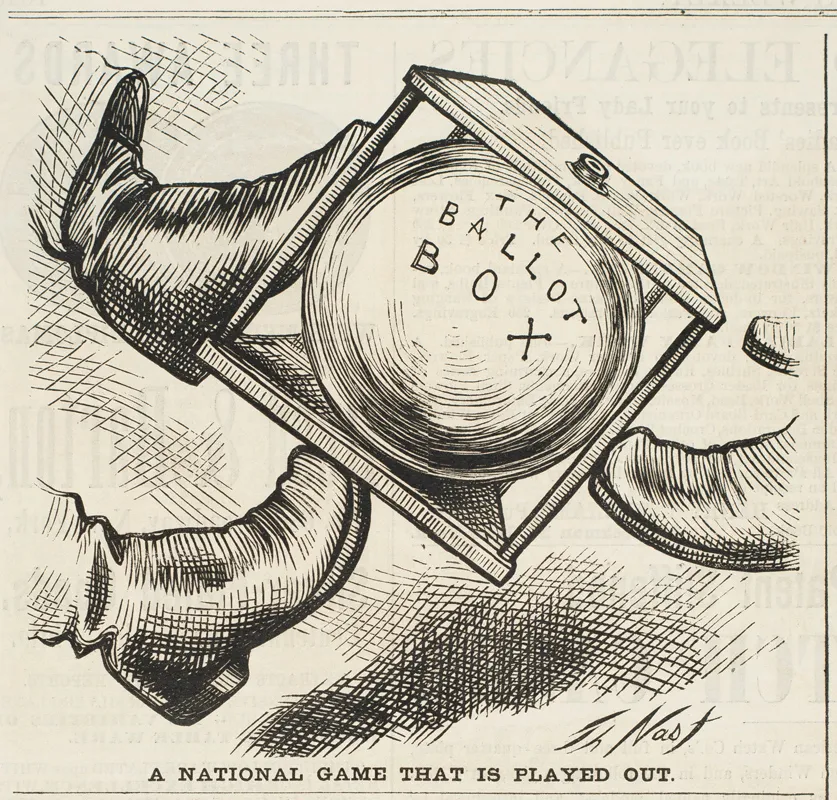
The Comforting Lie of the Ballot
03 Jan, 2026
Share
Save
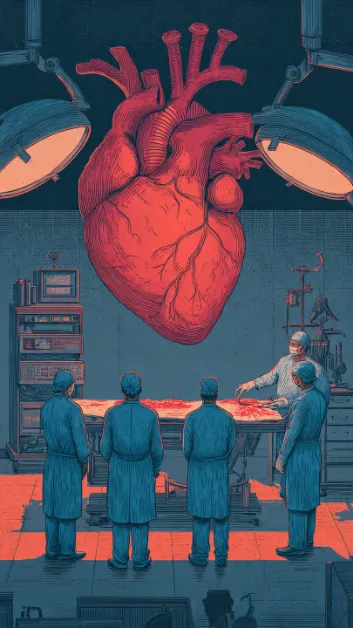
When I visited hell, my president was the leader.
Not because he had died, no. He was very much alive, smiling confidently, inaugurating furnaces, and promising reforms. Hell was well organised: soldiers guarded every corner, slogans floated in the air, and banners read “Protecting the gains.” The devil had stepped aside; he said governance had been “professionalised.”
I looked around and thought, this place feels familiar!
That is when the question burned louder than the flames:
Can an election remove a dictator?
Hell Has Elections Too
Hell, like Uganda, holds regular elections. They are colourful, noisy, and extremely predictable. Posters cover every wall, except where opposition posters used to be before they mysteriously disappeared overnight.
Campaigns in hell are lively. The leader campaigns against poverty, corruption, and unemployment—as if he has just arrived from another planet and not from a throne he has occupied for decades. He blames colonialism, global markets, weather changes, and “foreign agents.” Never himself.
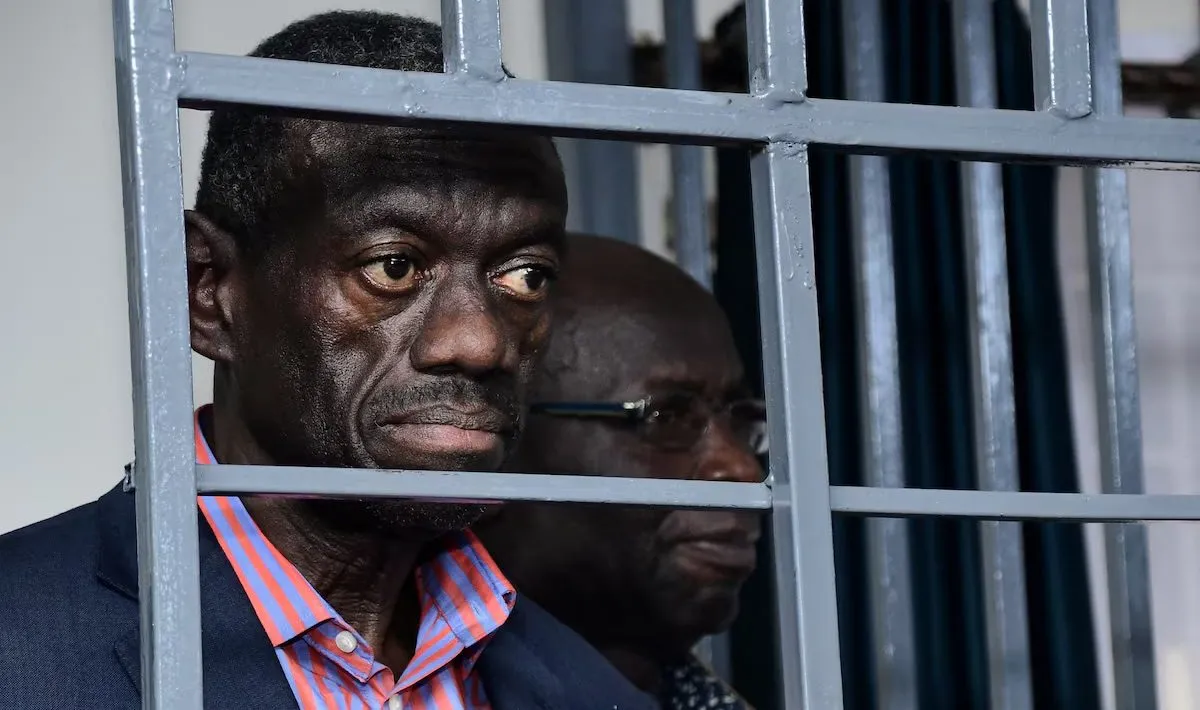
Opposition candidates are allowed to exist, just not to move freely. They campaign with police escorts that double as surveillance units. Their rallies end in tear gas, their speeches in summons, and their promises in court files.
The electoral commission in hell is independent—independent of the voters.
Voting Day: The Holy Ritual
On voting day, the citizens of hell line up early. Hope is reborn at 6:00 a.m. Old women clutch their voting cards like prayer beads. Youth whisper revolutionary dreams between jokes and fear.
The process is peaceful. Too peaceful. Soldiers smile. Police pose for photos. Ballot boxes are sealed—with promises.
Then the evening comes.
The lights go out. Networks disappear. The counting moves to “secure locations.” Rumours begin to walk faster than facts. By morning, the results arrive fully dressed, already sworn in.
The leader wins by a landslide so large even gravity questions it.
Courts: Where Hope Goes to Rest
Those who complain are told, “Go to court.”
The court listens patiently, adjourns wisely, and delivers judgments that praise democracy while endorsing the winner.
Justice in hell is blind—not because he is fair, but because he is afraid to look.
Citizens are reminded that courts are the proper channel, protests are illegal, and silence is patriotic.
Why Dictators Enjoy Elections
A dictator does not fear elections; he rehearses them. Elections give him international respectability and local obedience. Observers arrive, write reports, express “concern,” and leave before sunrise.
The leader gains:
Legitimacy without consent
Stability without freedom
Peace without justice
He appears on television explaining democracy to citizens who have never tasted it.
In hell, elections are not about choice; they are about confirmation.
The Real Trick: Turning Citizens into Spectators
Dictators survive not just through guns, but through exhaustion. Citizens grow tired. Tired of arrests, tired of court cases, tired of losing, tired of hoping.
People learn to laugh instead of resist, joke instead of organise, and survive instead of challenge. Satire becomes therapy, not rebellion.
Fear is normalised. Poverty is spiritualized. Patience is preached.
That is how hell remains stable.
Removing a Dictator Is Easy. Removing Dictatorship Is Not.
Even if an election removes the leader of hell, the system remains intact. The laws are still sharp. The institutions are still captured. The security forces still answer to power, not people.
A new face may arrive with new slogans, but the chair remains cursed.
Hell, simply replaces the driver, not the bus.
Leaving Hell with Open Eyes
So, can an election remove a dictator?
In a place like hell—or Uganda—an election alone is not enough. It can expose lies, awaken citizens, and crack myths of invincibility, but without fearless people and strong institutions, it becomes a performance staged for obedience.
Until citizens stop mistaking elections for freedom, hell will continue to hold peaceful polls, landslide victories, and endless inaugurations.
As I left hell, I noticed something strange.
People were lining up again.
Another election was coming.
About the author
Abdullatif Eberhard Khalid (The Sacred Poet) is a Ugandan passionate award-winning poet, Author, educator, writer, word crosser, scriptwriter, essayist, content creator, storyteller, orator, mentor, public speaker, gender-based violence activist, hip-hop rapper, creative writing coach, editor, and a spoken word artist. He offers creative writing services and performs on projects focused on brand/ campaign awareness, luncheons, corporate dinners, date nights, product launches, advocacy events, and concerts, he is the founder of The Sacred Poetry Firm, which helps young creatives develop their talents and skills. He is the author of Confessions of a Sinner, Vol. 1, A Session in Therapy, and Confessions of a Sinner, Vol. 2. His poems have been featured in several poetry publications, anthologies, blogs, journals, and magazines. He is the editor of Whispering Verses, Kirabo Writes magazine issue 1 and edits at Poetica Africa.
.webp)